
-
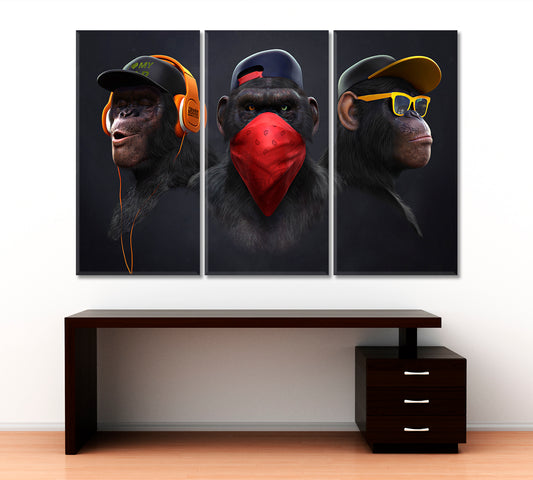
Three Wise Monkeys See No Evil Hear No Evil Speaks no Evil
Regular price From €65,95 EURRegular priceUnit price per -
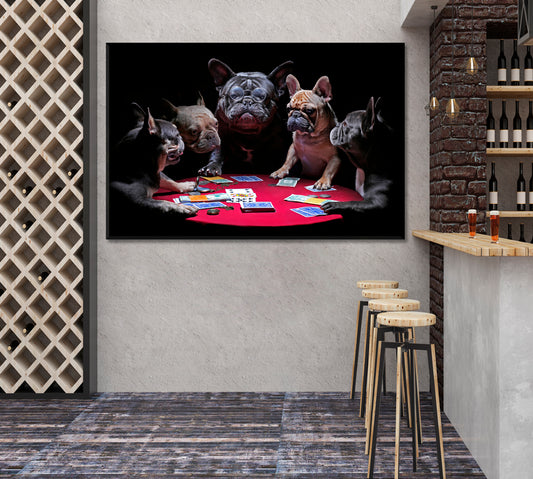
Bold Bluff Whimsical Funny French Bulldogs Dogs Playing Poker
Regular price From €65,95 EURRegular priceUnit price per -
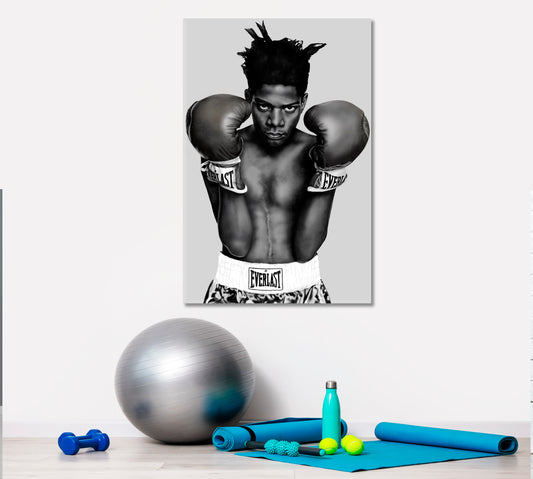
Basquiat Boxing Black White Portrait
Regular price From €118,95 EURRegular priceUnit price per -
CHESS Black White King And Knight Leader Success Concept Poster
Regular price From €65,95 EURRegular priceUnit price per -
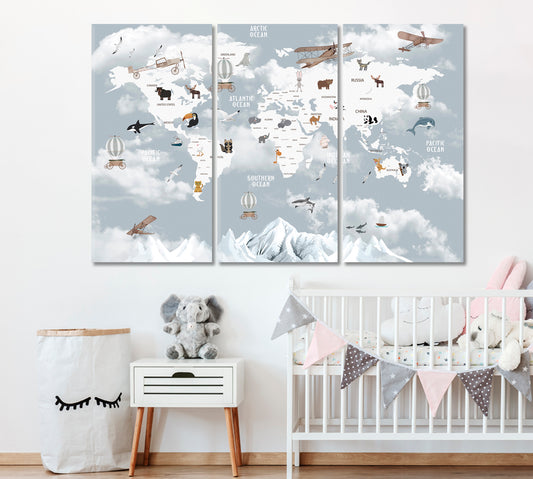
WORLD MAP Animals Map for Kids Nursery Room
Regular price From €65,95 EURRegular priceUnit price per -
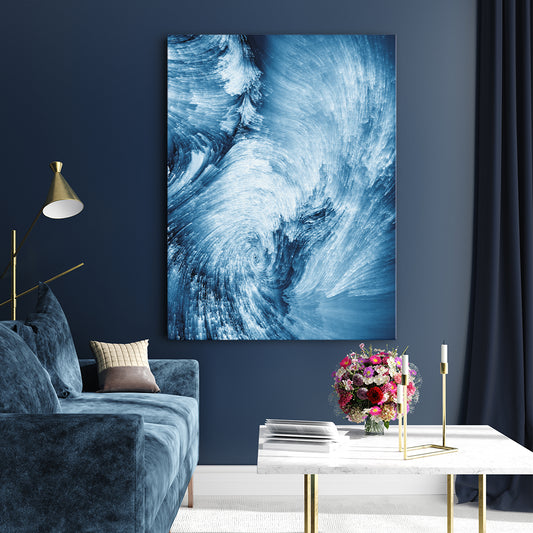
Blue Color Swirls - Vertical 1 panel
Regular price From €118,95 EURRegular priceUnit price per -
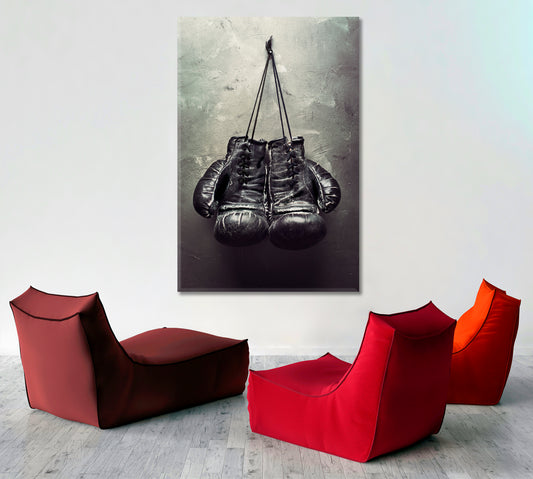
Boxing Gloves
Regular price From €118,95 EURRegular priceUnit price per -
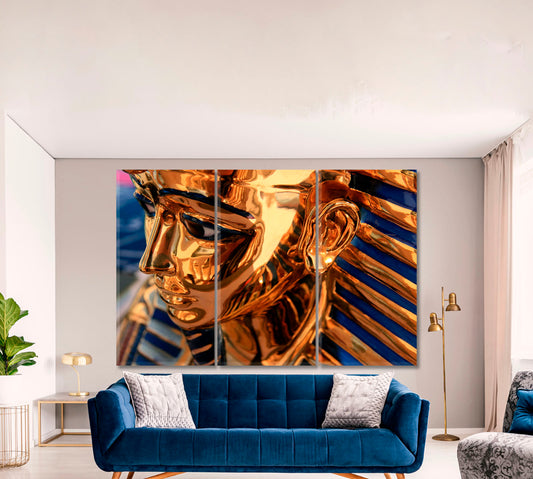
Tutankhamun Golden Egypt Pharaoh Gold Mask
Regular price From €65,95 EURRegular priceUnit price per -
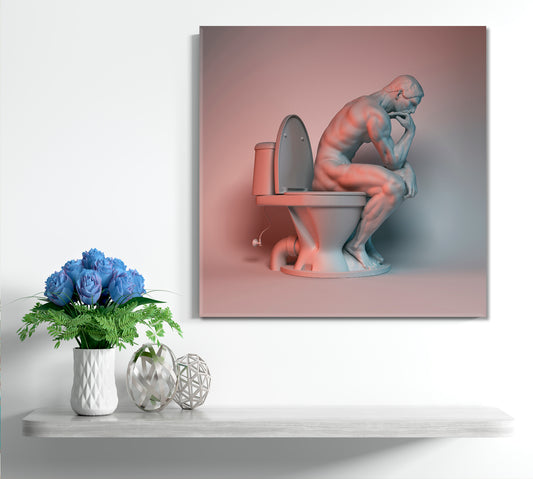
RODIN THE THINKER Sculpture Of Muscular Athlete On Toilet
Regular price From €65,95 EURRegular priceUnit price per -
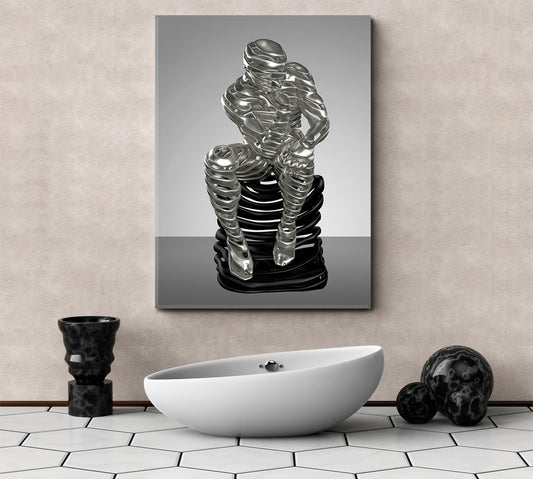
INTELLIGENCE Modern Figure Thinking Man Metal Sculpture Poster
Regular price From €118,95 EURRegular priceUnit price per -
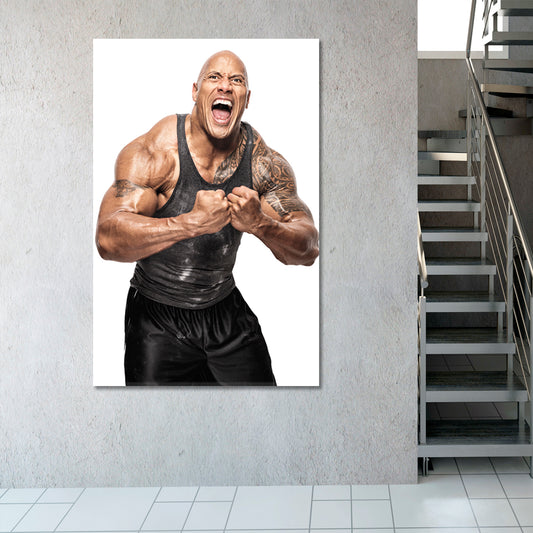
Dwayne Johnson Poster
Regular price From €118,95 EURRegular priceUnit price per -
Man Riding Old Retro Bicycle Graffiti Style Yellow Poster
Regular price From €118,95 EURRegular priceUnit price per -
Batman Graffiti Abstract Creativity Street Art Spray Art on the Walls Monreal Canada - Vertical
Regular price From €118,95 EURRegular priceUnit price per -
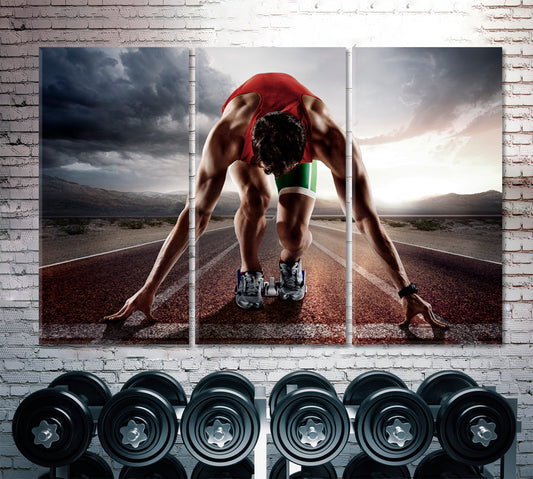
SPORT Motivate Active Life Concept
Regular price From €65,95 EURRegular priceUnit price per -
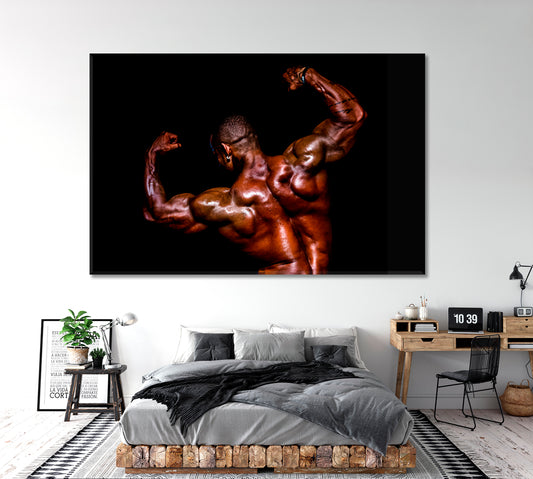
Bodybuilding Muscular Man Athlete Sport
Regular price From €65,95 EURRegular priceUnit price per -
CONSIDERING IDEA 3 D Statue Rodin the Thinker
Regular price From €118,95 EURRegular priceUnit price per -
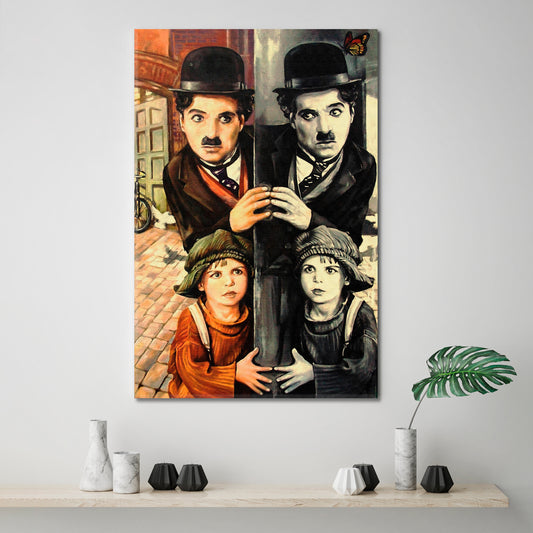
Charlie Chaplin
Regular price From €118,95 EURRegular priceUnit price per -
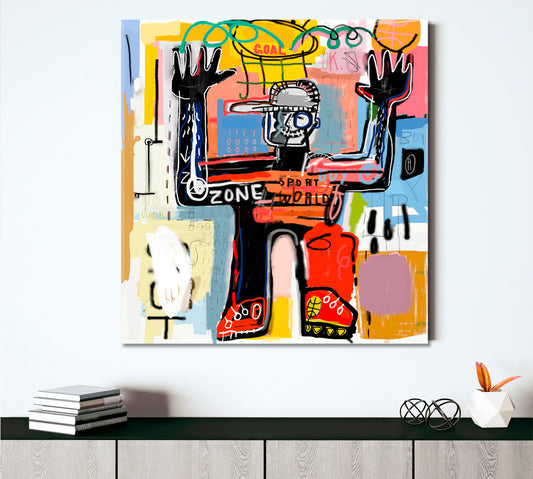
BASKETBALL Inspired by Basquiat Street Art Punk Graffiti
Regular price From €65,95 EURRegular priceUnit price per -
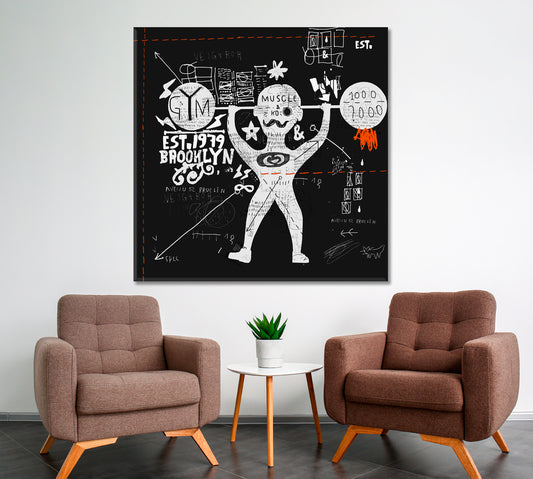
ATHLETE Fitness Creative Graffiti Style Sport Motivating Poster
Regular price From €65,95 EURRegular priceUnit price per -
Treble Clef Music Notes Abstract Modern Design
Regular price From €65,95 EURRegular priceUnit price per -
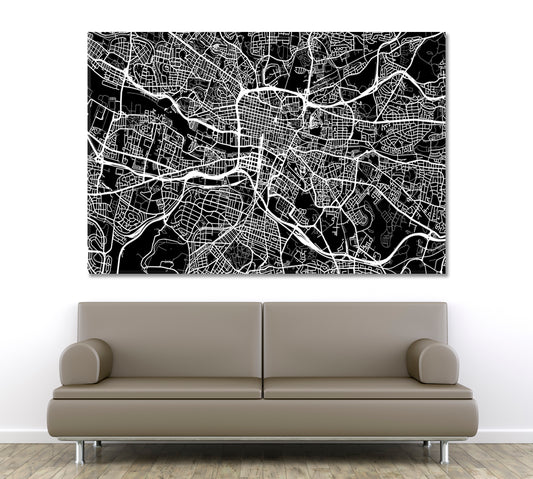
Glasgow Schottland Extra Large Urban City Map Poster
Regular price From €65,95 EURRegular priceUnit price per -
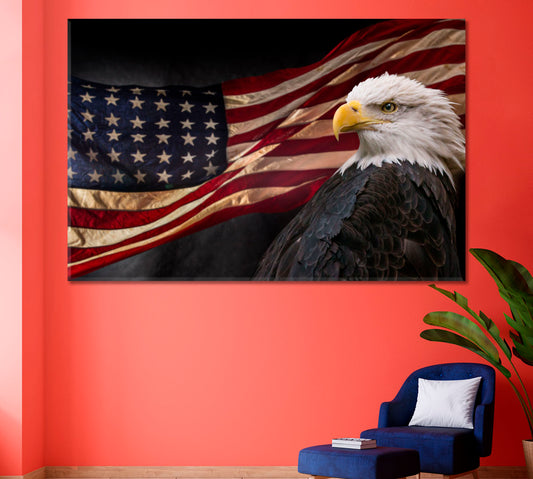
Powerful America Patriotic Symbols Bald Eagle Poster
Regular price From €65,95 EURRegular priceUnit price per -
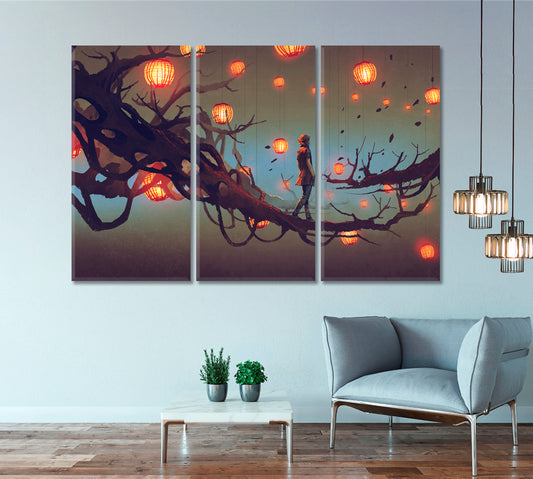
Surreal Night Mystery Tree
Regular price From €65,95 EURRegular priceUnit price per -
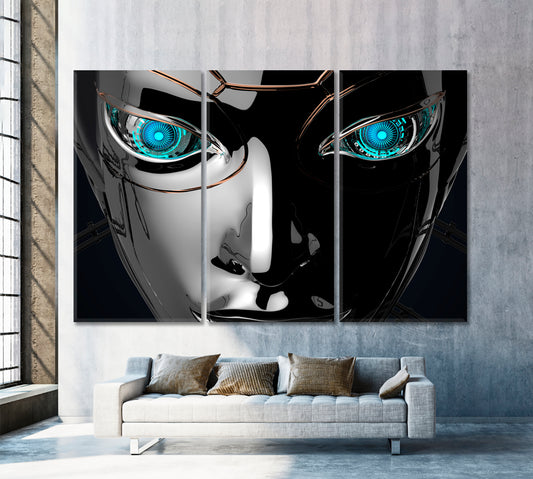
CYBER WORLD Female Bot Face Robot Futuristic Cyber Technology Poster
Regular price From €65,95 EURRegular priceUnit price per























Game Room Wall Art for Gaming and Entertainment Spaces
Explore game room wall art for video gaming setups, home arcades, billiard rooms, card tables, board game areas, media rooms, and shared entertainment spaces. This collection includes canvas prints with retro graphics, pop art, abstract compositions, sports subjects, typography, city scenes, music themes, and colorful digital designs.
Choose artwork that connects with the way the room is used. A gaming desk may need a clear horizontal design above the monitors, while a billiard table, sofa, bar cabinet, or media unit may suit a wider composition. Consider the furniture, screens, speakers, lighting, and normal viewing distance before selecting the final artwork.
Shop Game Room Canvas Prints by Theme
Game rooms can include several activities, so the artwork does not need to follow one narrow subject. Video game areas may suit graphic or digital designs, while billiard rooms can use sports, vintage, city, or typography-based artwork. Family entertainment rooms may work with pop art, music subjects, colorful abstracts, or prints connected with board games and shared activities.
Begin with the main function of the room. Choose one primary wall for the strongest canvas, then use lighting, shelves, collectibles, cushions, or smaller decorative objects to support its colors.
- Graphic canvas prints for gaming desks and console setups
- Retro artwork for arcades and entertainment rooms
- Sports subjects for billiard, darts, and recreation areas
- Pop art for media rooms and shared family spaces
- Abstract designs for rooms with several screens and devices
Gaming Wall Art for Desk and Console Setups
A gaming setup often includes several monitors, speakers, LED lights, wall-mounted accessories, controllers, shelves, and a high-backed chair. Measure the visible wall only after this equipment has been positioned.
A horizontal canvas can follow the width of a long desk or monitor arrangement. Vertical artwork may fit beside shelving, acoustic panels, or equipment cabinets. Square prints can work above compact gaming stations or on side walls near a chair.
Keep the main part of the artwork above the monitor line so it remains visible while the desk is in use. Avoid placing small detailed subjects directly behind large screens, because the central image may be covered.
- Measure the complete monitor and speaker arrangement
- Check the artwork from the normal seated position
- Leave clearance around shelves and wall-mounted equipment
- Consider reflections from screens and colored lighting
- Keep cables and power equipment away from the canvas
Pop Art for Game Rooms
Pop art works well in game rooms because it often uses clear shapes, graphic faces, comic-style details, strong outlines, and controlled color blocks. These designs can remain visible across a room containing screens, furniture, lighting, and displayed collections.
Browse pop art wall art for portraits, graphic subjects, comic-based compositions, and color-led designs. A print with one central figure can work above a gaming desk, sofa, media unit, or arcade cabinet.
When the room already contains many colored lights and accessories, choose pop art with a limited group of colors. A simpler gaming area can support a canvas with stronger contrast and more detailed graphic elements.
Retro Wall Art for Home Arcades
Retro artwork can connect with arcade machines, pinball tables, record players, old consoles, classic furniture, neon-style signs, and collected objects. Designs may include typography, geometric patterns, cars, music subjects, travel graphics, and mid-century color combinations.
Explore vintage wall art for additional designs suited to home arcades, media rooms, recreation spaces, and rooms with older equipment or furniture.
Warm red, orange, mustard, brown, cream, turquoise, blue, and black can work well with retro room details. Check how these colors appear under the lamps or LED lighting normally used in the room.
Graphic Design Wall Art
Graphic artwork uses structured shapes, digital illustration, typography, icons, patterns, and high-contrast layouts. It can suit game rooms with modern desks, metal shelving, acoustic panels, screens, and controlled lighting.
Browse graphic design wall art for digital compositions, symbols, typography, geometric layouts, and illustrated subjects.
Designs with broad shapes and limited details remain clear from across the room. Artwork with small symbols, text, or layered graphics is better placed near a desk, seating area, card table, or reading chair.
Psychedelic Art for Gaming and Music Spaces
Psychedelic designs can include optical patterns, cosmic scenes, fluid forms, repeated structures, unusual figures, and strong color changes. These subjects may work in gaming rooms, music areas, home studios, and entertainment spaces with colored lighting.
Explore psychedelic wall art for abstract patterns, surreal imagery, digital effects, and cosmic subjects.
Review the artwork with the room lighting switched on. Colored LED strips can change how blue, purple, red, green, and pink details appear. Artwork that looks clear in daylight may appear different when the room is used mainly in the evening.
Sports Wall Art for Billiard and Recreation Rooms
Billiard tables, dartboards, table football, sports equipment, and home bars can share the same recreation space. Sports artwork can help connect these activities without making the room dependent on video gaming subjects.
Browse sports wall art for designs connected with competition, movement, equipment, teams, and athletic subjects.
A horizontal sports composition can work above a billiard cue rack, bench, sofa, or bar cabinet. Vertical artwork may fit beside a dartboard, storage unit, or doorway. Keep the canvas outside the active playing area where cues, balls, darts, or equipment could reach it.
Wall Art for Billiard Rooms
Billiard room artwork should be visible from the table and nearby seating without interfering with cue movement, scoreboards, lighting fixtures, or equipment storage. Before installing a canvas, check the space needed around every side of the table.
Horizontal designs may fit above cue racks, seating benches, or low cabinets. Vertical prints can work on narrow walls between doors or beside a bar area. Avoid hanging artwork where players regularly lean, stand, or move equipment.
Dark green, navy, burgundy, brown, black, gray, and cream can connect with traditional billiard tables and wood furniture. Brighter graphic or pop-art prints can provide contrast in rooms with simpler walls and furniture.
Canvas Prints for Arcade Rooms
Home arcades often contain tall machines, illuminated screens, stools, signs, shelving, and limited open wall space. Measure the wall after every machine has been positioned, including the clearance needed for doors, ventilation, and maintenance.
Artwork placed above arcade machines should have a simple composition that remains readable from a distance. Narrow vertical prints can fit between machines when enough clearance is available. A larger horizontal canvas may work above a seating area or along the wall opposite the equipment.
Choose artwork that connects with the color group of the machines without repeating every logo or screen color. This helps the room feel planned rather than filled with unrelated graphics.
Game Room Art for Family Entertainment Spaces
A family game room may include board games, card tables, a television, toys, books, craft supplies, and seating for different age groups. Artwork should suit the whole room rather than one individual piece of equipment.
Pop art, abstracts, city scenes, music subjects, animals, and simple graphic designs can work in shared spaces. Choose images with clear subjects and colors that connect with the sofa, rug, storage units, curtains, and tables.
Place artwork above fixed furniture rather than areas where tall toys, temporary tables, or game equipment are regularly moved. Leave enough wall space around the canvas so the room does not feel crowded when games are in use.
Entertainment Room Wall Art
An entertainment room may combine television viewing, music, gaming, conversation, and food service. Artwork should support these different uses without competing with the main screen.
Place the strongest canvas on a side wall, behind seating, or above a low cabinet rather than directly beside a large television. This gives the artwork its own area and reduces visual competition between the printed image and moving screen content.
Horizontal artwork often works above sofas and media cabinets. Vertical prints suit walls beside shelving, speakers, and doorways. Square canvases can fit above compact bars, consoles, and side tables.
Wall Art for Card and Board Game Areas
Card tables and board game areas are normally viewed from a seated position. Artwork can therefore include more detail than a print placed across a large media room.
Hang the canvas where it remains visible above seated players and does not interfere with pendant lights, shelves, scoreboards, or storage. Graphic patterns, maps, typography, colorful abstracts, and city subjects can work well around card and board game tables.
Check the wall under the lighting used during games. Pendant lamps may create glare on artwork positioned directly opposite them, while dim lighting can reduce the visibility of darker colors and small details.
Game Room Wall Art for Home Bars
Some game rooms include a drinks cabinet, counter, stools, glass storage, refrigerator, or small serving area. Artwork can help separate this part of the room from the gaming or recreation zone.
Horizontal artwork can fit above a bar cabinet or counter. Vertical prints may work beside shelving or in narrow sections between storage units. Keep the canvas away from sinks, drink preparation areas, steam, spills, and surfaces that require frequent cleaning.
City scenes, retro graphics, music subjects, sports designs, and abstracts can connect with dark wood, metal, leather, glass, and bar lighting.
Choosing Colors for a Game Room
Start with the largest fixed elements: walls, flooring, desks, sofas, gaming chairs, billiard tables, curtains, storage, and equipment. The canvas can repeat one or two existing colors or introduce one clear contrast.
Black, gray, navy, red, blue, purple, and green are common in gaming setups, but the artwork does not need to match every light or accessory. A room with several colored devices may work better with black-and-white artwork or a smaller color group.
A neutral room can support a print with brighter color combinations. Retro rooms may connect with cream, brown, orange, mustard, turquoise, and muted red. Billiard rooms may suit deeper green, burgundy, brown, black, or navy.
Check product images on more than one screen when possible. Phones, tablets, and monitors can display colors differently, and colored room lighting can change the appearance of the finished canvas.
Planning Artwork Around Screens and Lighting
Screens and lighting are major parts of most game rooms. Check reflections from televisions, monitors, ceiling lights, LED strips, wall lamps, and windows before choosing the hanging point.
Avoid placing artwork where direct light creates constant glare. Darker canvas prints need enough ambient lighting for the details to remain visible. Light artwork needs enough contrast against white, cream, or pale gray walls.
If the room is mainly used at night, review the planned wall under evening lighting rather than relying only on daylight. Colored lamps can make some parts of the print appear stronger and reduce the visibility of others.
Planning Canvas Size and Placement
Measure the usable wall rather than the complete wall. Account for monitors, televisions, speakers, shelves, dartboards, cue racks, arcade machines, lights, doors, windows, ventilation, and furniture before selecting the final dimensions.
A horizontal canvas works well above gaming desks, sofas, bar cabinets, benches, media units, and billiard storage. Vertical artwork fits narrow walls and spaces beside machines, doors, cabinets, or shelving. Square prints can work above compact consoles, card tables, and small seating areas.
If a design is offered in several panels, the listed dimensions normally refer to the complete artwork without the gaps between individual panels. Include the planned spacing when calculating the final wall width.
- Mark the planned canvas width and height on the wall
- Check visibility after screens and equipment are installed
- Review the artwork from seated and standing positions
- Leave clearance around active playing areas
- Keep the canvas away from heat, moisture, and moving equipment
Ready-to-Hang Game Room Canvas Prints
Artesty canvas prints are produced with high-resolution printing and pigment inks. The printed canvas is stretched over wooden stretcher bars and finished with gallery-wrapped sides, so an additional outer frame is not required.
Hanging hardware is installed before shipping. Each finished canvas is wrapped in protective materials and packed in a sturdy cardboard box to help protect the print and wooden frame during delivery.
Choose Game Room Wall Art for Your Space
Use the collection filters and product options to compare gaming designs, retro artwork, pop art, sports subjects, graphic compositions, colors, orientations, sizes, and available formats. Select game room wall art that fits the equipment, furniture, lighting, open wall space, and the activities planned for the room.



Photo Review - Get 15% Off
- Show us how your canvas looks in your space
- Send your photo to:[info.artesty@gmail.com]
- We’ll send you a promo code for your next order
We’re happy to be part of your space 💛
Need something custom or got a question? Drop us a message — we’ve got you covered!
-

We use high-quality, durable canvas and eco-friendly pigment inks. Every image is carefully color-corrected for sharpness and rich, vivid tones.
-

Each canvas is hand-stretched onto a sturdy wooden stretcher bar using a gallery wrap technique—the image continues around the edges, giving it a modern, ready-to-hang look.
Your canvas comes with pre-installed metal hardware, making it easy to hang on the wall -

We protect each canvas with:
multiple layers of bubble wrap for impact protection and a sturdy cardboard box for worldwide shipping.


