
-
TEAL GREEN Tidewater Gold Effect Luxury Abstract Fluid Art Ink Splash
Regular price From $71.99 USDRegular priceUnit price per$116.99 USDSale price From $71.99 USDSale -

 Sale
SaleBitcoin and Bull
Regular price From $71.99 USDRegular priceUnit price per$116.99 USDSale price From $71.99 USDSale -
AGATE Magic Art Beautiful Natural Luxury Marbled Ancient Oriental
Regular price From $71.99 USDRegular priceUnit price per$116.99 USDSale price From $71.99 USDSale -
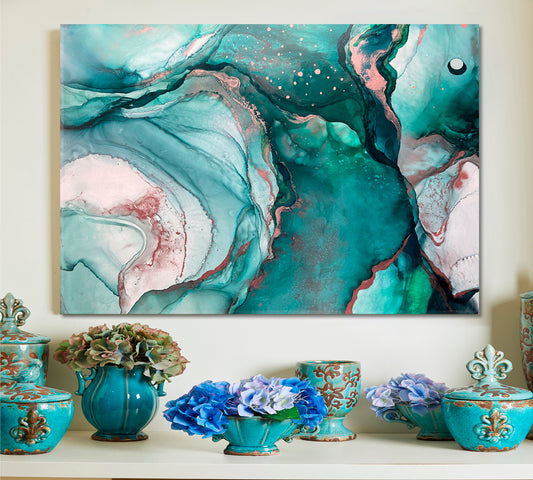
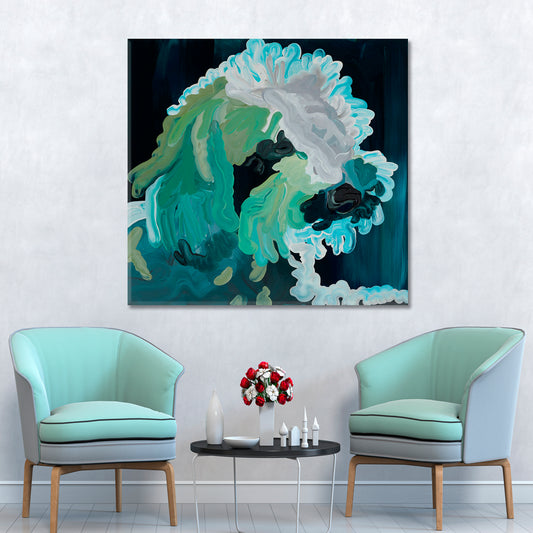
Turquoise Mint Fluid Art
Regular price From $129.99 USDRegular priceUnit price per$173.99 USDSale price From $129.99 USDSale -
Beautiful Bird of Paradise Flower Art
Regular price From $71.99 USDRegular priceUnit price per$116.99 USDSale price From $71.99 USDSale -
TIDEWATER TEAL BLUE GREEN Abstract Marble Malachite Veins
Regular price From $71.99 USDRegular priceUnit price per$116.99 USDSale price From $71.99 USDSale -
Tiffany Turquoise Mint Aqua Ink Colors Pattern
Regular price From $129.99 USDRegular priceUnit price per$173.99 USDSale price From $129.99 USDSale -
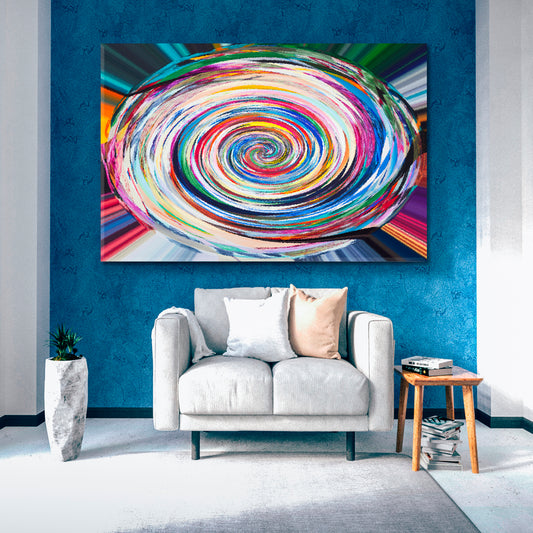
VORTEX Abstract Expressionism Swirl Forms Lines Shapes
Regular price From $71.99 USDRegular priceUnit price per$116.99 USDSale price From $71.99 USDSale -
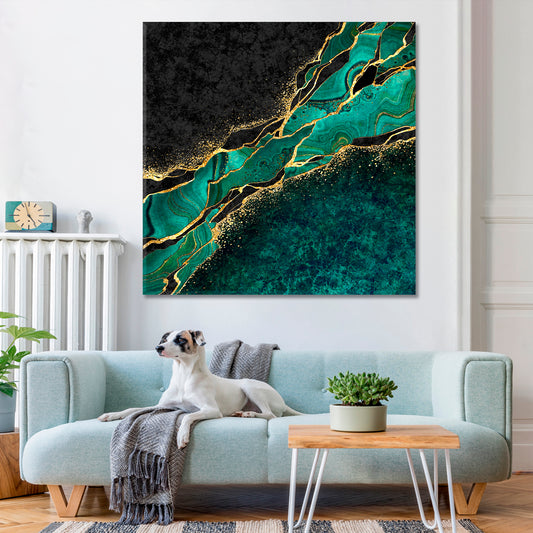
MALACHITE Japanese Kintsugi Technique Abstract Green Black Marble with Gold Veins Stone Canvas Print - Square
Regular price From $71.99 USDRegular priceUnit price per$116.99 USDSale price From $71.99 USDSale -
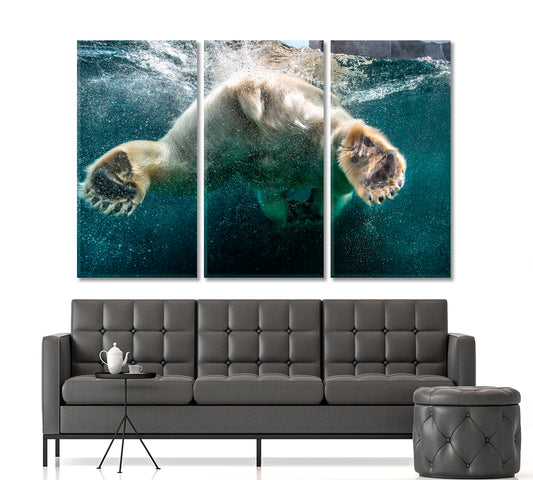
BUBBLES Polar Bear Big Paws Swimming Undersea
Regular price From $71.99 USDRegular priceUnit price per$116.99 USDSale price From $71.99 USDSale -
AZURE SEA WAVES Emerald Fluid Flowing Ink Marble Veins Oriental Art
Regular price From $71.99 USDRegular priceUnit price per$116.99 USDSale price From $71.99 USDSale -
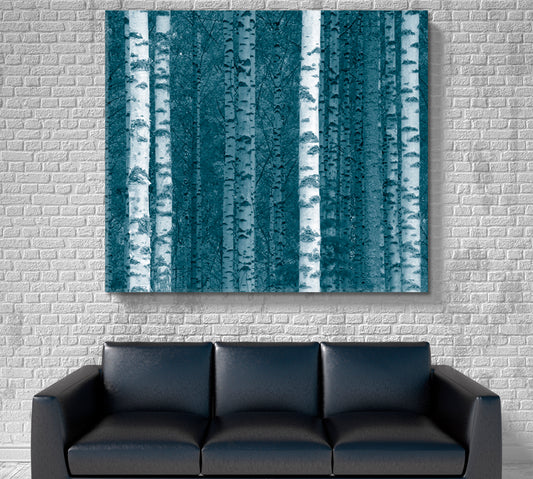
GROVE Birch Trees Forest Close-up Trunks
Regular price From $71.99 USDRegular priceUnit price per$116.99 USDSale price From $71.99 USDSale -
Birch Tree Trunks in Finnish Forest
Regular price From $71.99 USDRegular priceUnit price per$116.99 USDSale price From $71.99 USDSale -
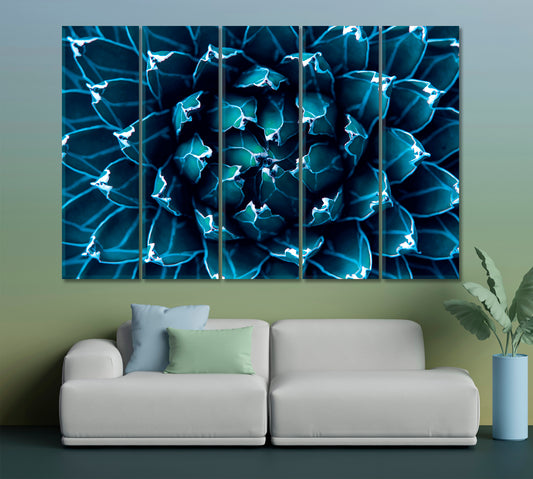
Agave Cactus Abstract Natural Tropical Pattern
Regular price From $71.99 USDRegular priceUnit price per$116.99 USDSale price From $71.99 USDSale -
MODERN OBSERVATION AND ABSTRACTION Teal Turquoise Mint
Regular price From $71.99 USDRegular priceUnit price per$116.99 USDSale price From $71.99 USDSale -
Modern Abstract Contemporary Teal Turquoise Mint
Regular price From $71.99 USDRegular priceUnit price per$116.99 USDSale price From $71.99 USDSale -
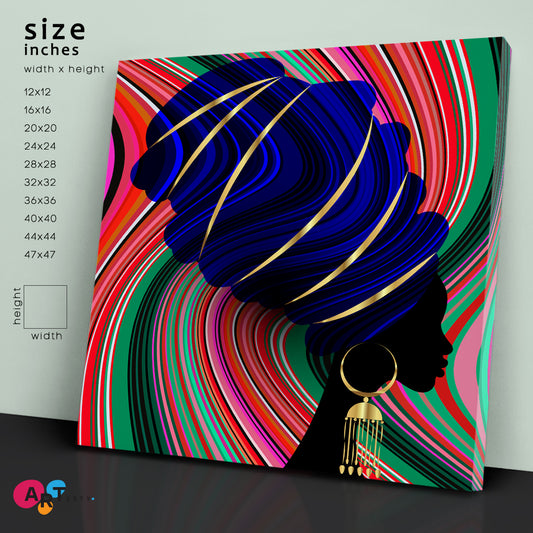
Trendy Twisted Lines Bright Indigo Fuchsia Mint Color Mix African Woman
Regular price From $71.99 USDRegular priceUnit price per$116.99 USDSale price From $71.99 USDSale -
Women African Turban Bright Contemporary
Regular price From $71.99 USDRegular priceUnit price per$116.99 USDSale price From $71.99 USDSale -
Traditional Afro Woman Silhouette Multicolor Turquoise Teal Green Blue Red
Regular price From $71.99 USDRegular priceUnit price per$116.99 USDSale price From $71.99 USDSale -
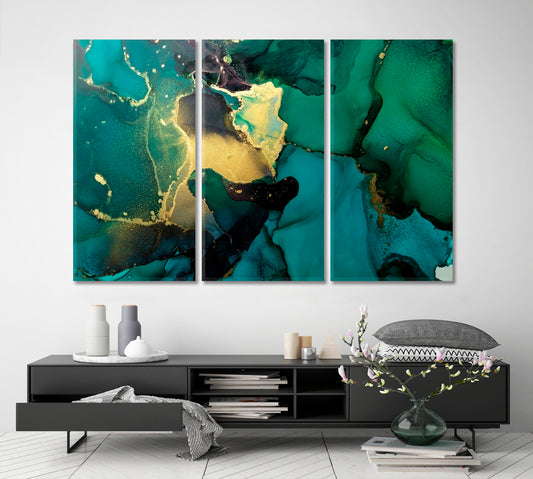
Luxury Abstract Fluid Art Painting Alcohol Ink Green and Gold
Regular price From $71.99 USDRegular priceUnit price per$116.99 USDSale price From $71.99 USDSale -
TEAL BLUE GREEN MIX Abstract Wavy Forms Fractal Futuristic
Regular price From $71.99 USDRegular priceUnit price per$116.99 USDSale price From $71.99 USDSale -
TURQUOISE DARK GRAY Metallic Steel Effect Abstract Pour Marble Liquid
Regular price From $71.99 USDRegular priceUnit price per$116.99 USDSale price From $71.99 USDSale -
GREEN MALACHITE Inkwell Teal Metallic Silver Effect Marble Acrylic Mix
Regular price From $71.99 USDRegular priceUnit price per$116.99 USDSale price From $71.99 USDSale -
TURQUOISE Abstract Marble Agate Mint Green and Gold Veins
Regular price From $71.99 USDRegular priceUnit price per$116.99 USDSale price From $71.99 USDSale

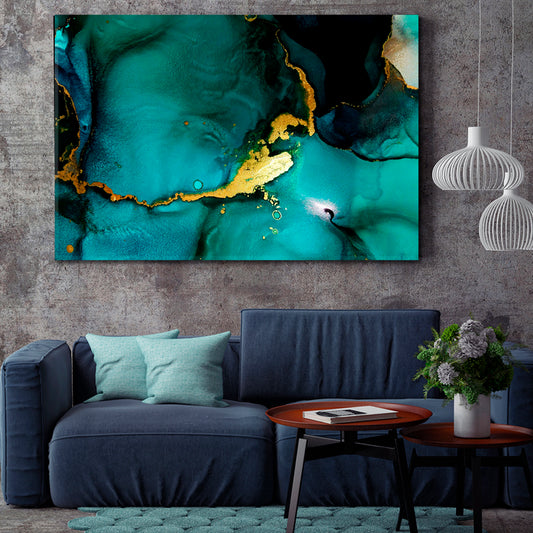


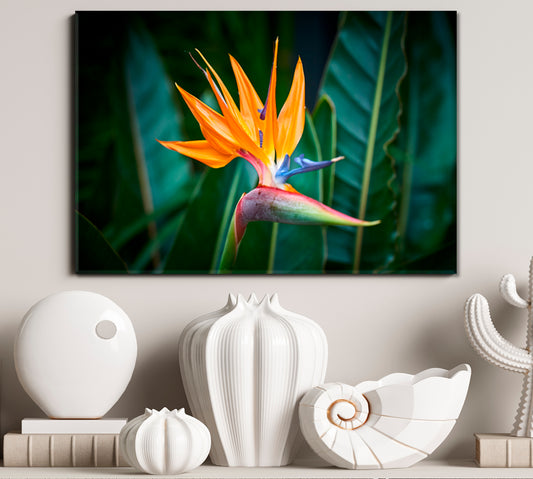

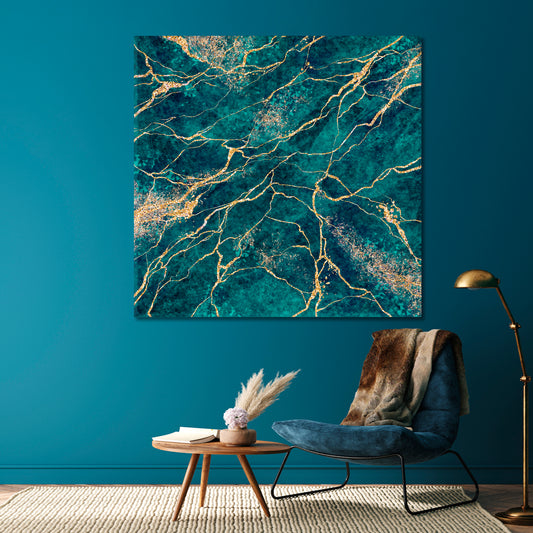

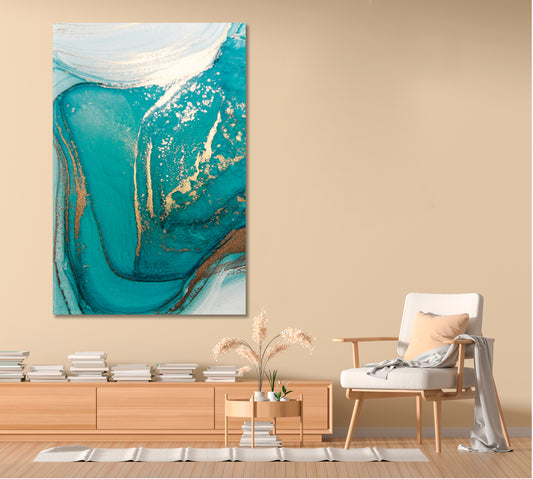
















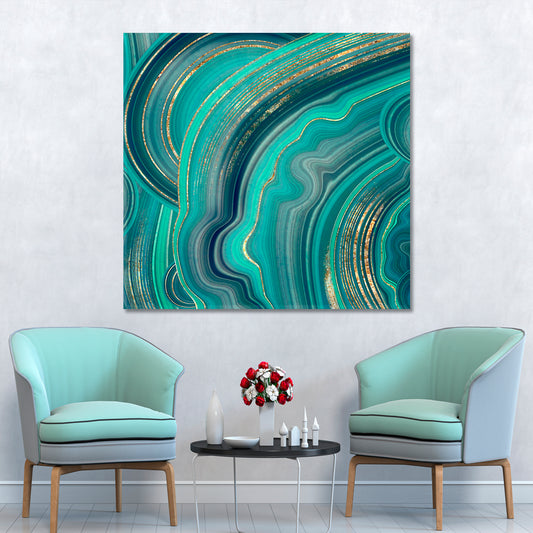
Teal Wall Art with Abstract, Coastal, and Botanical Designs
Explore teal wall art featuring abstract compositions, ocean scenes, botanical subjects, marble effects, flowers, landscapes, portraits, and graphic designs. These blue-green canvas prints can work in living rooms, bedrooms, dining rooms, home offices, studios, entryways, salons, and professional interiors.
The collection includes deep teal, dark blue-green, peacock, petrol blue, sea green, and mixed-color designs. Some prints use teal as the main background, while others combine it with white, cream, gray, gold, navy, turquoise, green, beige, black, or coral.
Shop Teal Canvas Prints by Subject
Teal artwork can be selected by both color and subject. Coastal designs connect blue-green shades with waves, water, beaches, boats, and marine life. Abstract and marble compositions use teal within flowing lines, color fields, brush-like marks, geometric forms, and layered surfaces.
Botanical and floral artwork may use teal as a background, leaf color, or painted accent. Choose a design according to the wall color, furniture, lighting, and normal viewing distance.
- Abstract teal canvas prints with painted and geometric forms
- Coastal artwork with waves, water, boats, and sea life
- Botanical designs with leaves, flowers, and tropical subjects
- Teal and gold artwork with marble lines and graphic details
- Blue-green landscapes, portraits, and fluid compositions
Teal and Turquoise Wall Art
Teal is generally darker and contains more green or gray than turquoise. Turquoise usually appears brighter and closer to aqua. Artwork combining both shades can work in coastal rooms, bedrooms, studios, bathrooms with dry wall areas, and interiors with white or light wood furniture.
Browse turquoise wall art for additional aqua, bright blue-green, coastal, and fluid designs.
Use turquoise when the room needs a lighter color, while deeper teal can provide stronger contrast against white, cream, beige, or pale gray walls. When both shades appear in one canvas, lighter furniture and open wall space can keep the composition clear.
Teal and Green Canvas Prints
Teal works naturally with green because both colors share similar undertones. Dark green, emerald, sage, olive, and pale botanical shades can appear alongside teal in floral, forest, abstract, and nature-based artwork.
Explore green wall art for additional botanical, landscape, abstract, and nature subjects.
Green plants, cushions, ceramics, glass objects, or textiles can repeat a small amount of color from the canvas. Avoid filling the entire room with several competing green and blue-green shades. One main canvas and a limited number of supporting objects are usually enough.
Teal and Blue Wall Art
Blue can shift teal toward a cooler color direction. Navy, cobalt, royal blue, pale blue, and gray-blue may appear in ocean scenes, abstracts, city artwork, and marble-style compositions.
Browse blue wall art for additional artwork across light, medium, and dark blue color groups.
Teal and blue artwork works well with white, cream, gray, beige, natural wood, black metal, and silver-colored details. When the artwork contains several dark blue-green sections, use enough room lighting to keep the smaller details visible.
Abstract Teal Wall Art
Abstract teal artwork can include curved forms, geometric sections, brush-like marks, flowing color, circles, lines, and layered painted surfaces. Teal may cover most of the canvas or appear as one section within a wider color combination.
Browse abstract canvas art for additional painted, fluid, geometric, and color-based designs.
A horizontal abstract canvas can work above a sofa, bed, desk, dining sideboard, or meeting table. Vertical artwork fits narrow walls and spaces beside shelving, mirrors, windows, or cabinets. Square prints suit compact walls, reading corners, and balanced furniture arrangements.
Rooms with simple furniture and open wall space can support artwork with several painted layers. When the room already contains patterned fabrics, books, plants, photographs, and decorative objects, a composition with fewer colors may create a clearer result.
Coastal and Nautical Teal Wall Art
Teal appears naturally in coastal artwork through water, waves, lagoons, sea glass, underwater scenes, boats, fish, coral, and marine plants. These subjects can suit living rooms, bedrooms, dining rooms, entryways, beach-inspired interiors, and home offices.
Explore nautical and sea life wall art for additional ocean, boat, marine animal, and coastal designs.
Horizontal ocean scenes work well above sofas, beds, sideboards, desks, and benches. Vertical artwork may focus on waves, fish, coral, lighthouses, sails, or underwater subjects.
Teal coastal artwork can connect with white walls, beige fabrics, woven materials, natural wood, gray furniture, and navy details. The room does not need several obvious nautical objects for the artwork to fit.
Teal Botanical and Floral Wall Art
Botanical teal artwork may include tropical leaves, flowers, trees, grasses, garden subjects, and painted plant forms. Some designs use natural green leaves against teal backgrounds, while others use blue-green foliage with white, cream, pink, gold, or black details.
A horizontal botanical canvas can work above a bed, sofa, dining sideboard, or console. Vertical prints may fit beside a mirror, wardrobe, bookcase, treatment station, or narrow cabinet.
If the room already contains several real plants, patterned curtains, floral bedding, or botanical wallpaper, choose artwork with one clear plant or a simpler background. This keeps the wall from becoming too detailed.
Teal and Gold Wall Art
Teal and gold are often combined in abstract, marble, botanical, celestial, and geometric artwork. Gold-colored printed details may appear as lines, circles, leaves, paint effects, or divided sections.
Printed gold color does not reflect light like metal. Its appearance depends on the design, surrounding colors, screen settings, and lighting in the room.
Teal and gold artwork can connect with brass lamps, mirror edges, cabinet handles, table legs, and small decorative objects. Use these details in limited amounts rather than repeating gold across every surface.
White, cream, beige, and pale gray walls provide clear contrast. Dark walls can also work when the canvas contains enough lighter sections to keep the main subject visible.
Teal Marble and Fluid Canvas Prints
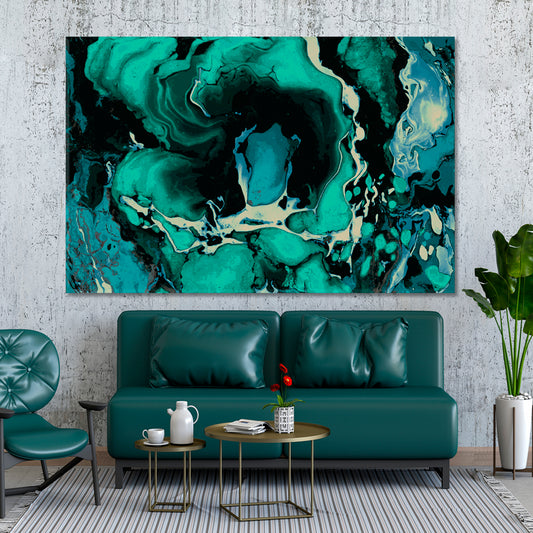
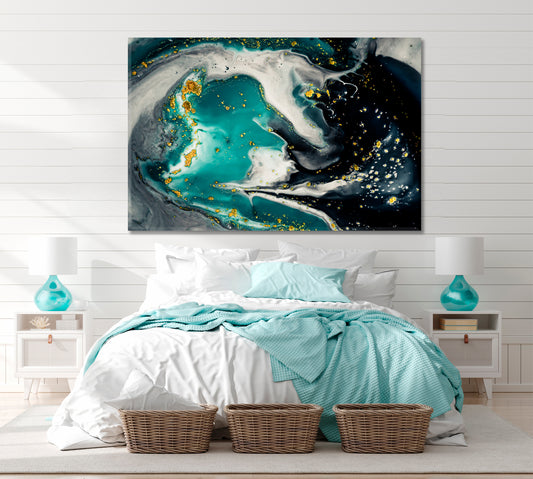
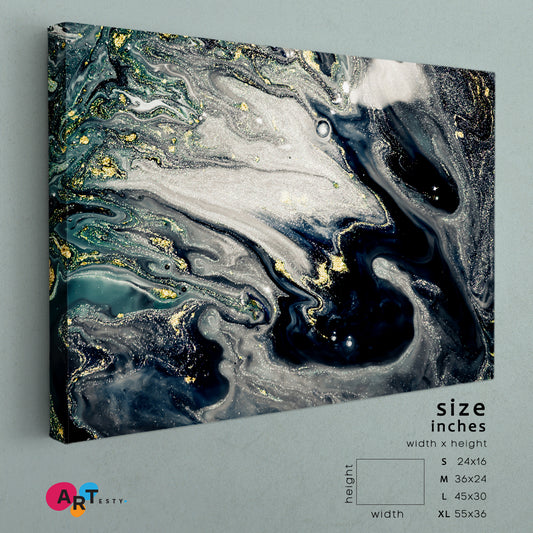
Marble and fluid artwork uses flowing lines, layered color, curved movement, and stone-like veining. Teal may be combined with white, cream, navy, black, gold, gray, turquoise, blue, or coral.
Broad color sections remain visible from across a room. Designs containing fine veins, bubbles, and smaller transitions are better placed near a sofa, desk, dining table, or seating area.
Consider the direction of the pattern before selecting a format. Horizontal movement can follow the width of a sofa, bed, sideboard, or desk. Vertical flowing lines may suit narrow walls and areas beside windows, mirrors, shelving, or cabinets.
Teal Portrait Wall Art
Portrait artwork may combine faces, figures, fashion subjects, profiles, and body forms with teal backgrounds or painted blue-green sections. These designs can create a clear central subject in bedrooms, living rooms, offices, studios, salons, and dressing areas.
Vertical portraits work well beside mirrors, wardrobes, windows, shelving, and narrow furniture. Square compositions can suit compact consoles, desks, and reading chairs. Wider figure-based artwork may fit above sofas, beds, and sideboards.
Keep the face or central figure visible after lamps, plants, monitors, and furniture are positioned. Dark teal backgrounds require enough lighting for facial details and clothing to remain clear.
Teal Landscape Canvas Prints
Landscape artwork may use teal in lakes, rivers, forests, mountains, coastlines, skies, and mist. These prints can suit living rooms, bedrooms, offices, studios, dining areas, and reading rooms.
Horizontal landscapes create a broad view above sofas, beds, desks, and sideboards. Vertical compositions may focus on trees, waterfalls, cliffs, buildings, or narrow sections of sky and water.
Dark landscapes require enough light for foreground and background details to remain visible. Prints with pale sky, sand, snow, mist, or water sections provide clearer contrast against deeper teal areas.
Teal Wall Art for Living Rooms
Living room artwork is commonly placed above a sofa, sideboard, fireplace, media unit, or reading chair. Teal can connect with white, cream, beige, gray, navy, brown, green, black, gold, and natural wood.
A horizontal canvas can follow the width of a sofa or sideboard. Vertical artwork may fit beside a window, bookshelf, or floor lamp. Square prints can work above compact consoles and reading chairs.
Select one main wall for the strongest teal design. When the room already contains books, plants, photographs, cushions, and decorative objects, leave enough open wall around the canvas.
Review the planned placement from the main seating area and from the room entrance. The central subject should remain visible after chairs, lamps, plants, and screens are positioned.
Teal Canvas Prints for Bedrooms
Teal artwork can work above a bed, dresser, desk, or reading chair. Compare the canvas with the bedding, headboard, curtains, rug, wardrobe, lamps, and wall color before selecting the final design.
White, cream, beige, pale gray, and light wood provide a lighter background for teal. Deeper combinations may include navy, charcoal, black, dark green, brown, or purple.
A horizontal abstract, coastal, botanical, or landscape canvas can suit the wall above a bed. Vertical artwork may fit beside a wardrobe, mirror, or window. Square prints work well above compact dressers and desks.
Measure the open space between the headboard and ceiling. Leave enough wall around the canvas so it does not appear compressed between lamps, shelving, curtains, and furniture.
Teal Artwork for Dining Rooms
Dining room artwork should remain visible when chairs are occupied and pendant lights are switched on. Teal abstracts, marble patterns, botanical subjects, and coastal scenes can work above sideboards, benches, or walls beside a dining table.
Teal connects with wood tables, white or cream chairs, gray upholstery, black metal, ceramics, glass, and brass-colored lighting. Gold, beige, white, or pale-blue sections inside the artwork can prevent the arrangement from becoming too dark.
Review the canvas under the lighting normally used during meals. Warm bulbs may make cream, gold, beige, and brown sections stronger, while cooler lighting may make teal, blue, gray, and white more noticeable.
Teal Wall Art for Home Offices
A home office may share space with a bedroom, living room, studio, or guest room. Teal artwork can work around desks, monitors, shelving, books, lamps, and storage without introducing many unrelated colors.
A canvas behind the desk should remain visible after the chair and screens are positioned. A design with one clear central form creates a cleaner video-call background than artwork containing several small details.
Detailed coastal, floral, marble, or abstract compositions can be placed on a side wall near a desk or reading chair. Check reflections from monitors, windows, and desk lamps before choosing the hanging point.
Teal Wall Art for Salons and Studios
Teal artwork can suit beauty salons, hair studios, nail rooms, treatment spaces, photography studios, design offices, and creative workrooms. Abstracts, florals, portraits, and fluid designs can connect with mirrors, black or white furniture, metal details, and controlled lighting.
Horizontal artwork can work above waiting seats, reception counters, storage cabinets, or worktables. Vertical prints may fit beside mirrors, shelving, or narrow workstations.
Keep the canvas away from sinks, steam, sprays, dyes, cleaning products, and surfaces that require frequent washing. Choose a dry wall where moving chairs, equipment, and doors will not touch the artwork.
Teal Wall Art for Entryways
Teal artwork can suit entryways with white walls, wood consoles, black metal, mirrors, beige flooring, and simple storage. Because these areas are often viewed from a distance, choose a composition with enough contrast.
Vertical prints fit narrow wall sections, while square artwork may work above a compact console. Smaller horizontal compositions can suit walls above benches and low storage units.
Check the artwork from the main entrance and from both directions of the hallway. Doors, mirrors, lamps, plants, and coat storage should not cover the central subject.
Using Teal with White, Cream, and Beige
White creates clear contrast with teal. Cream and beige produce a warmer combination and connect the artwork with wood, woven materials, rugs, curtains, and upholstered furniture.
On a white wall, teal artwork may need only a small number of pale details. On a beige or cream wall, white, gold, gray, or turquoise sections can help define the edges and main subject.
Repeat one or two light colors from the artwork through cushions, ceramics, books, lamps, or curtains. Matching every shade from the canvas is not necessary.
Using Teal with Navy, Gray, and Black
Navy creates a deeper blue combination, while gray connects teal with metal, concrete, glass, and cooler furniture finishes. Black adds stronger structure and works with graphic, abstract, city, and geometric designs.
When several dark colors are used together, make sure the canvas contains lighter sections. White, cream, beige, gold, pale gray, turquoise, or light-blue details can keep the composition visible.
Room lighting is especially important when teal artwork is placed near dark furniture or on charcoal walls. Review the planned placement during the hours when the room is normally used.
Using Teal with Coral, Pink, and Orange
Coral, pink, and muted orange create stronger contrast with teal. These combinations appear in floral artwork, tropical subjects, abstracts, portraits, and fluid designs.
Use the warmer colors in limited amounts through cushions, flowers, books, ceramics, or smaller decorative pieces. Repeating too many bright colors can make the canvas compete with the rest of the room.
When the artwork already contains teal, coral, gold, pink, and white, keep nearby textiles and accessories simpler. This allows the printed composition to remain the main color source.
Choosing the Right Teal Shade
Teal can appear darker, greener, bluer, or grayer depending on the artwork and surrounding colors. Green undertones move it closer to deep sea green, while stronger blue undertones bring it closer to navy or turquoise.
Warmer teal combinations may include beige, cream, brown, coral, rust, or gold. Cooler combinations often use white, gray, navy, pale blue, silver-colored details, or black.
Review product images on more than one screen when possible. Phones, tablets, and monitors may display blue-green colors differently, while daylight, warm bulbs, cool ceiling lights, and colored LEDs can also change the finished appearance.
Planning Canvas Size and Placement
Measure the usable wall rather than the complete wall. Account for windows, doors, mirrors, shelves, lamps, switches, vents, curtains, screens, and furniture before choosing the final dimensions.
A horizontal canvas works well above sofas, beds, desks, dining tables, sideboards, and reception furniture. Vertical artwork fits narrow walls and spaces beside windows, wardrobes, mirrors, or shelving. Square prints can work above compact consoles, dressers, desks, and reading chairs.
If a design is offered in several panels, the listed dimensions normally refer to the complete artwork without the spaces between individual panels. Include the planned gaps when calculating the total wall width.
- Mark the planned canvas width and height on the wall
- Compare the artwork with the furniture below it
- Check contrast against the wall and nearby furniture
- Review placement under daytime and evening lighting
- Keep the canvas away from direct heat and strong moisture
Ready-to-Hang Teal Canvas Prints
Artesty canvas prints are produced with high-resolution printing and pigment inks. The printed canvas is stretched over wooden stretcher bars and finished with gallery-wrapped sides, so an additional outer frame is not required.
Hanging hardware is installed before shipping. Each finished canvas is wrapped in protective materials and packed in a sturdy cardboard box to help protect the print and wooden frame during delivery.
Choose Teal Wall Art for Your Space
Use the product options to compare abstract compositions, coastal scenes, botanical artwork, marble effects, landscapes, portraits, colors, orientations, sizes, and available formats. Select teal wall art that fits the wall color, furniture, lighting, room layout, and normal viewing distance.



Photo Review - Get 15% Off
- Show us how your canvas looks in your space
- Send your photo to:[info.artesty@gmail.com]
- We’ll send you a promo code for your next order
We’re happy to be part of your space 💛
Need something custom or got a question? Drop us a message — we’ve got you covered!
-

We use high-quality, durable canvas and eco-friendly pigment inks. Every image is carefully color-corrected for sharpness and rich, vivid tones.
-

Each canvas is hand-stretched onto a sturdy wooden stretcher bar using a gallery wrap technique—the image continues around the edges, giving it a modern, ready-to-hang look.
Your canvas comes with pre-installed metal hardware, making it easy to hang on the wall -

We protect each canvas with:
multiple layers of bubble wrap for impact protection and a sturdy cardboard box for worldwide shipping.


